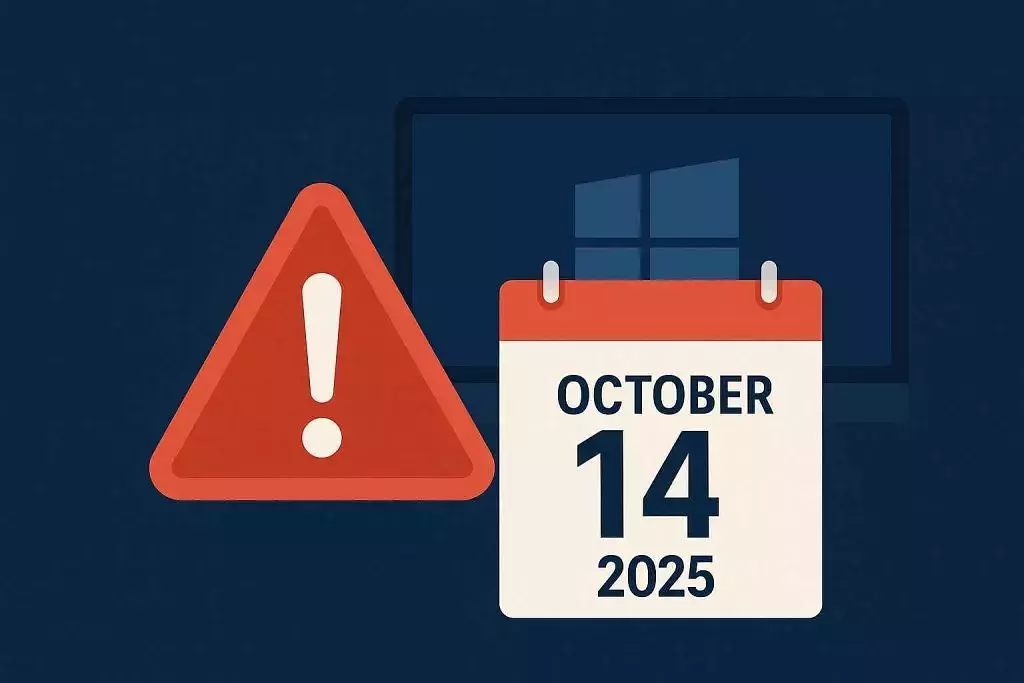
It’s August 2025, and time is running dangerously short. With Microsoft ending support for Windows 10 this October, the clock is ticking, fast. Yet many organizations still haven’t finalized a transition plan, risking chaos as the deadline looms.
You might be thinking, “It’s just an operating system, how urgent could it be?” However, the reality is that continuing to run Windows 10 without a plan for the future exposes your organization to unnecessary risk and disruption.
Let’s break down why planning for the end of support is not only essential but also critical right now.
What Does End of Support Really Mean?
Ending support for Windows 10, doesn’t just mean your computers will suddenly stop working, but it does mean that the operating system will no longer receive critical updates: no more security patches, bug fixes, and performance enhancements. Essentially, your system becomes frozen in time.
Increased Exposure to Cybersecurity Threats
Operating without security updates is a serious gamble. In 2025, cyberattacks are more sophisticated than ever, targeting vulnerabilities in outdated systems. After October 14, 2025, attackers will know that organizations running Windows 10 are an easy target. Every day you delay upgrading increases your chances of experiencing a major security incident.
The impact of a cyberattack isn’t just financial. Depending on your industry, an incident could result in the loss of sensitive data, regulatory fines, and long-term damage to your organization’s reputation. Customers and partners expect you to protect their data and ensure your systems are secure, and running an unsupported operating system puts that trust at risk.
Compatibility and Productivity Challenges
Apart from security concerns, it is also crucial to consider the growing compatibility challenges that come with running an unsupported operating system. As software vendors continue to optimize their applications for newer operating systems, you’ll find that fewer programs will remain compatible with Windows 10. The result? Slower performance, unexpected crashes, and lost productivity, setbacks no organization can afford.
The longer you wait, the greater the risk of your team being stuck with outdated tools that hinder collaboration, efficiency, and innovation. In today’s ever-changing business landscape, agility is everything, and relying on unsupported technology will significantly limit your potential.
The Hidden Costs of Waiting
If your organization is waiting until the last minute to decide, be aware that delaying the transition could come at a steep cost.
As the deadline nears, demand for IT professionals and resources to assist with upgrades will skyrocket, driving up prices and increasing wait times as businesses rush to modernize their systems.
Postponing the upgrade also opens the door to budget draining issues down the line. Systems that haven’t been properly maintained or migrated are more prone to unexpected failures, often requiring urgent and expensive IT support. In many cases, these unplanned expenses could far exceed the cost of planning and executing a proactive transition to a newer system.
Why You Should Start Planning Now?
Successfully transitioning from Windows 10 to a modern operating system takes more than a last-minute switch, it requires thoughtful planning and time. By starting to plan now, your organization can:
- Assess your IT environment: Identify which machines need upgrading and ensure compatibility with current business software and tools.
- Budget effectively: Understand the financial impact of upgrading hardware or software and avoid the pressure of last-minute budget strain.
- Minimize disruption: Schedule upgrades during low-impact periods to keep operations running smoothly.
- Stay compliant: Ensure your systems meet regulatory requirements that mandate up-to-date and secure infrastructure.
Whether you’re transitioning to Windows 11 or considering other options, the most important step is getting started now. Waiting until the final stretch increases your exposure to security risks, efficiency losses and escalating costs.
Time Is Running Out
The end of Windows 10 support is almost here. Don’t let your organization fall into the trap of thinking there’s still plenty of time. Every day without a plan brings you one step closer to unnecessary risk and potential disruption. Start planning now to ensure your systems are secure, compliant, and ready for the future.
Don’t wait. Contact MicroAge today to create a Windows 10 migration plan tailored to your needs.
Share