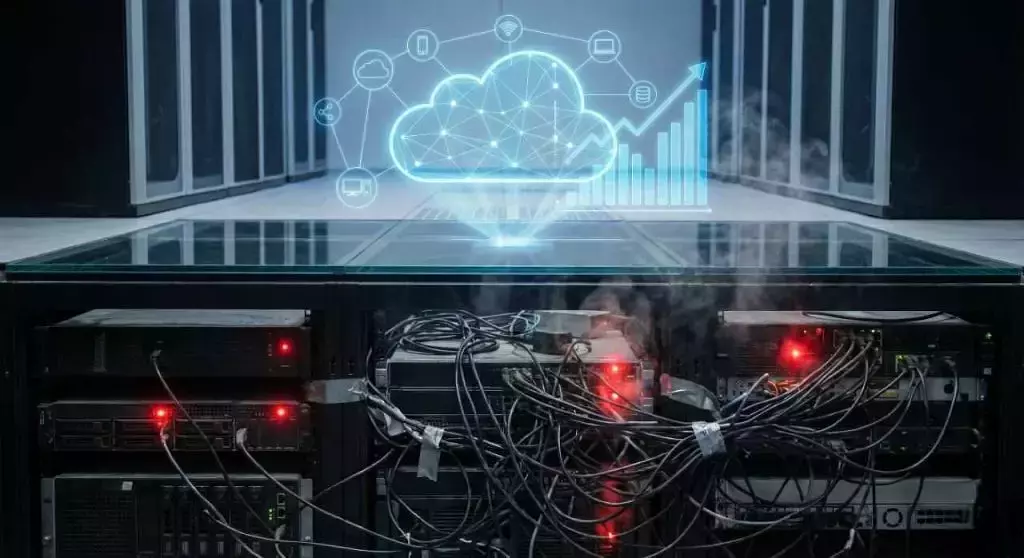
We’ve all done it, held onto old laptops, skipped software updates, or put off replacing aging systems because “they still work… for now.” Maybe the thought of updating feels overwhelming, or your team decides to push the update to ‘later’ because other priorities keep taking over.
But here’s the truth: outdated technology costs far more in the long run than keeping your systems modern, secure, and supported. And those costs don’t just show up in your IT budget, they show up in productivity, security, downtime, integration issues, and even your brand reputation.
Let’s break down what “good enough” IT is really costing organizations today.
Aging Systems Do Not Age Gracefully
As systems get older, they become more difficult, and more expensive, to maintain. Parts get harder to source, vendor support fades, and finding specialists who still understand legacy technology can feel like digging for buried treasure.
The cost of maintaining old infrastructure also climbs every year. Many IT teams spend a significant portion of their budget just keeping outdated systems alive. Employees lose hours each week troubleshooting issues that newer systems could prevent entirely.
System failures also become more frequent as technology deteriorates, leading to outages that disrupt work, slow teams down, and impact the customer experience. Over time, these interruptions add up, often costing far more than a timely upgrade.
And when you layer compatibility issues on top of that, the strain becomes even greater. Modern tools don’t always integrate well with older systems, creating workarounds that drag down operations, complicate data, and limit overall performance.
Security Risks That Can’t Be Ignored
Legacy systems are highly vulnerable to cyberattacks as they lack modern security patches and support. Hackers are keenly aware of this since outdated technology is often the easiest entry point.
For most organizations, a single attack can be devastating. Many struggle to recover financially or operationally. Hence, modern security simply can’t be built on outdated foundations.
Integrations That Slow You Down
While it’s technically possible to integrate old systems with new tools, it is rarely straightforward. Legacy technologies often have rigid data structures and outdated frameworks, making integrations costly and fragile.
These efforts can introduce new vulnerabilities or performance issues and often only delay the inevitable need for modernization.
A Practical Roadmap to IT Modernization
Modernizing your systems doesn’t have to be overwhelming. With a phased, strategic approach, you can spread out costs while reducing risks and preparing your business for long-term growth.
Here is a simple starting roadmap:
1. Identify systems nearing end-of-life
Document hardware, software, and infrastructure approaching vendor end-of-support or already unsupported.
2. Prioritize upgrades based on risk and impact
Focus on systems that pose the highest security, performance, or operational risks.
3. Implement modernization in phases
Break upgrades into manageable steps to spread costs over time and minimize disruption.
Final Thoughts
Outdated technology isn’t just an inconvenience, it’s a hidden drain on your budget, your productivity, your security, and your team’s morale. Investing in modernization isn’t just an IT decision; it’s a business decision that sets your organization up for resilience, efficiency, and future growth.
If you’re ready to cut costs, boost efficiency, and strengthen your organization, explore how we can help you build a modern, secure IT environment. Contact us today: https://microage.ca/contact-us/
Share