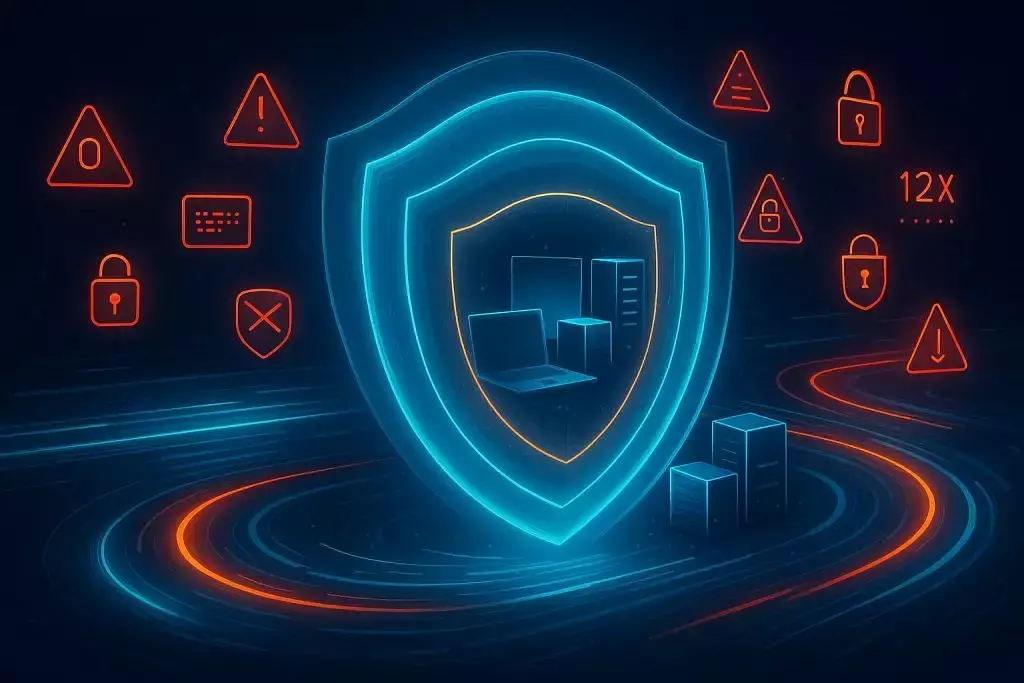
Cyberattacks aren’t limited to “big targets”; they can strike anyone, anytime, and often when least expected. A single click, weak password, or overlooked vulnerability can expose your organization to serious consequences.
Too often, cybersecurity is seen as a detail or a one-tool solution. In reality, threats come from many angles, making a layered defense essential. Think of it like an onion: multiple layers of protection working together create stronger, more resilient security.
Relying on one safeguard risks failure. Building multiple hurdles strengthens detection, speeds response, and helps contain attacks — reducing risk and limiting damage.
Here’s how each layer works together to keep your organization safe.
People
The first layer of defense is your people. Without proper training, employees can quickly become the weakest link; one wrong click could compromise your entire organization. That’s why cyber awareness training and regular phishing simulations are critical to help staff retain and apply what they learn.
Weak passwords are another easy entry point for attackers. Make it simple for employees to update passwords regularly and encourage them to use unique passwords across different accounts.
Perimeter
Securing your perimeter means layering multiple defenses that work together:
- Firewall: Blocks suspicious traffic.
- Multifactor Authentication (MFA): Adds extra protection to user accounts.
- Microsoft 365 Tenant Protection: Keeps emails and files from being hijacked.
- Antispam Filters: Stop phishing attempts before they reach employees.
- DMARC: Prevents attackers from impersonating your domain.
- Dark Web Monitoring: Alerts you if stolen credentials appear online.
- Penetration Testing: Ethical hacking to find weaknesses before criminals do.
Together, these measures make it far more difficult for attackers to break in and help protect your organization from costly disruptions.
Network
Keeping your network safe means securing the pathways inside your organization. Key defenses include:
- Monitoring & Alerting: A 24/7 watch that spots unusual activity.
- Network Segmentation: Creates zones to limit attacker movement.
- Wireless Authentication: Ensures only trusted devices access Wi-Fi.
- SIEM/SOC: A command center to detect, analyze, and respond fast.
- Vulnerability Scans: Regular check-ups to find weak spots early.
With constant monitoring, controlled access, and routine scans, your network stays ready to stop attacks before they spread.
Endpoints
Securing endpoints, laptops, desktops, and mobile devices, means protecting the everyday tools employees depend on. To stay secure, organizations should focus on measures including:
- Monitoring & Alerting: Early warning of suspicious activity.
- Asset & Lifecycle Management: Tracks, updates, and maintains devices.
- EDR/MDR/XDR: Detects and contains threats before they spread.
- Patch Management: Keeps software updated against vulnerabilities.
- Zero-Trust Security: Verifies every connection, never assuming safety.
- DNS Filtering: Blocks access to malicious sites.
- Drive Encryption: Safeguards data if a device is lost or stolen.
Together, these protections strengthen your defenses and ensure quick response when threats emerge.
Data
Protecting your organization’s data means keeping it secure and recoverable at all times. Essential practices include:
- Backup Segmentation: Stores copies separately so one attack can’t compromise everything.
- Backup Management: Keeps backups reliable and up to date.
- Offsite Replication: Maintains a safe copy in another location.
- Offline / Immutable Copies: Stops attackers from altering or deleting data.
With strong data protections in place, an attack may slow you down, but it will never shut you down.
Governance & Preparedness
Cybersecurity isn’t only about prevention; it’s also about being ready to respond and keep your organization running when an attack happens. Readiness depends on:
- Incident Response Plan: Outlines clear steps to follow during an attack.
- Business Continuity Plan: Keeps operations running under pressure.
- Compliance & Governance: Meets legal, insurance, and regulatory requirements.
- Security Policies: Provide employees with clear data protection guidance.
- Client & Partner Requirements: Build trust by meeting expectations and showing accountability.
With strong governance and solid plans in place, your organization can weather a crisis and prove it can be trusted no matter what.
Conclusion
Proper cybersecurity isn’t optional; it’s essential. By building strong layers of protection across people, perimeter, network, endpoints, data, and governance, organizations create a defense strategy that is difficult for attackers to overcome. A single tool or safeguard is never enough, but together, these layers form a resilient shield that keeps your business secure, operational, and trusted.
Don’t wait for an attack to expose the gaps in your security. Contact us today to learn how we can help you build a layered cybersecurity strategy that protects everything from your people to your data and ensures security across your entire organization.
Share